
Case Study: How a Local Manufacturer Transformed Production with Advanced Garment Machinery


Introduction
In today's competitive market, manufacturers constantly seek ways to enhance efficiency and product quality. A local garment manufacturer recently achieved remarkable transformation by integrating advanced garment machinery into their production line. This case study explores how these changes led to increased productivity and significant growth.
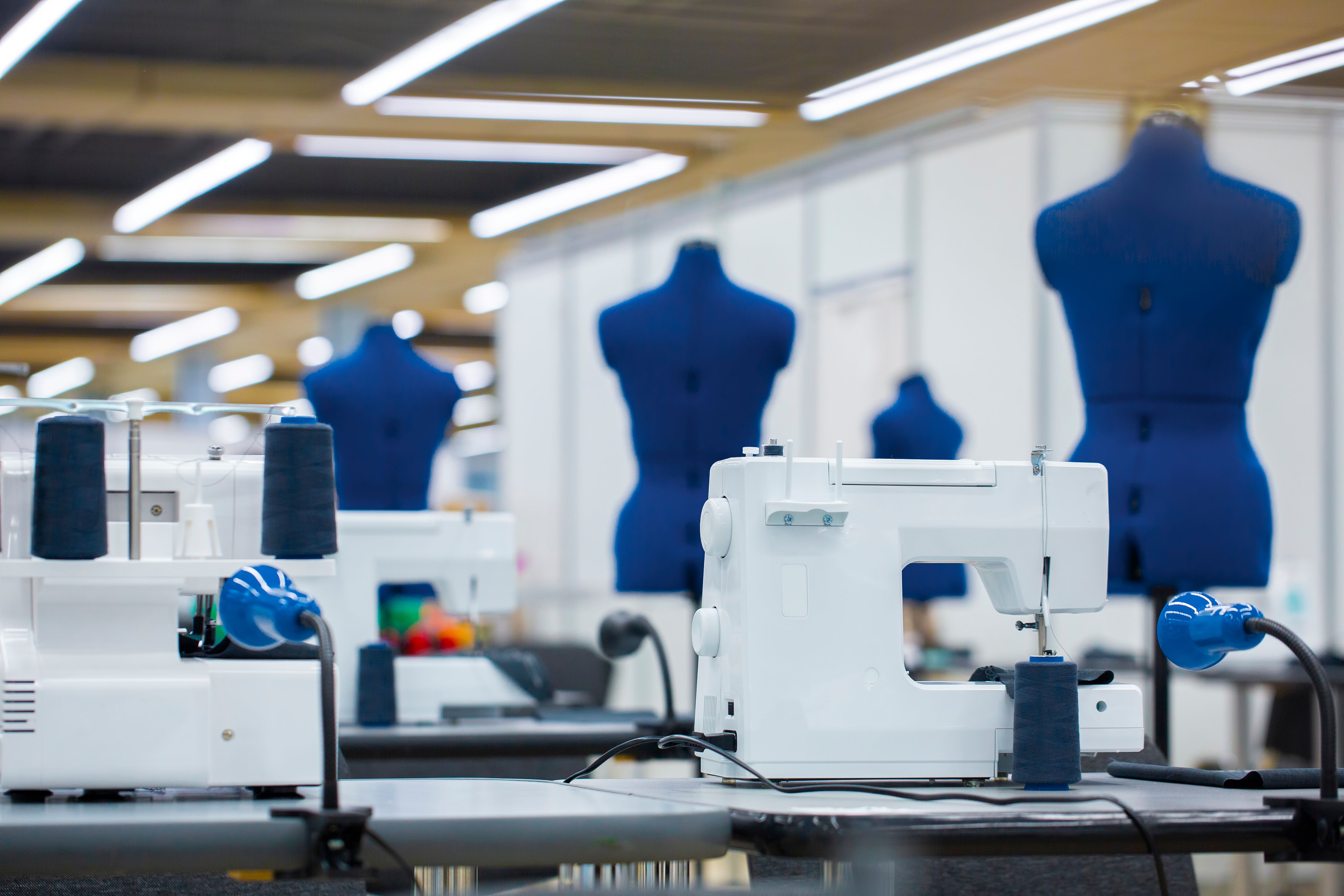
Challenges Faced by the Manufacturer
Before the transformation, the manufacturer struggled with outdated equipment that resulted in frequent breakdowns and production delays. The machinery required constant maintenance, leading to increased costs and reduced output. Moreover, the manual processes limited the company's ability to scale operations.
Impact on Production
The limitations of the existing machinery negatively affected the production timeline and overall efficiency. Meeting large orders was challenging, and the quality of the garments often varied due to inconsistent processes. The need for a solution was clear.
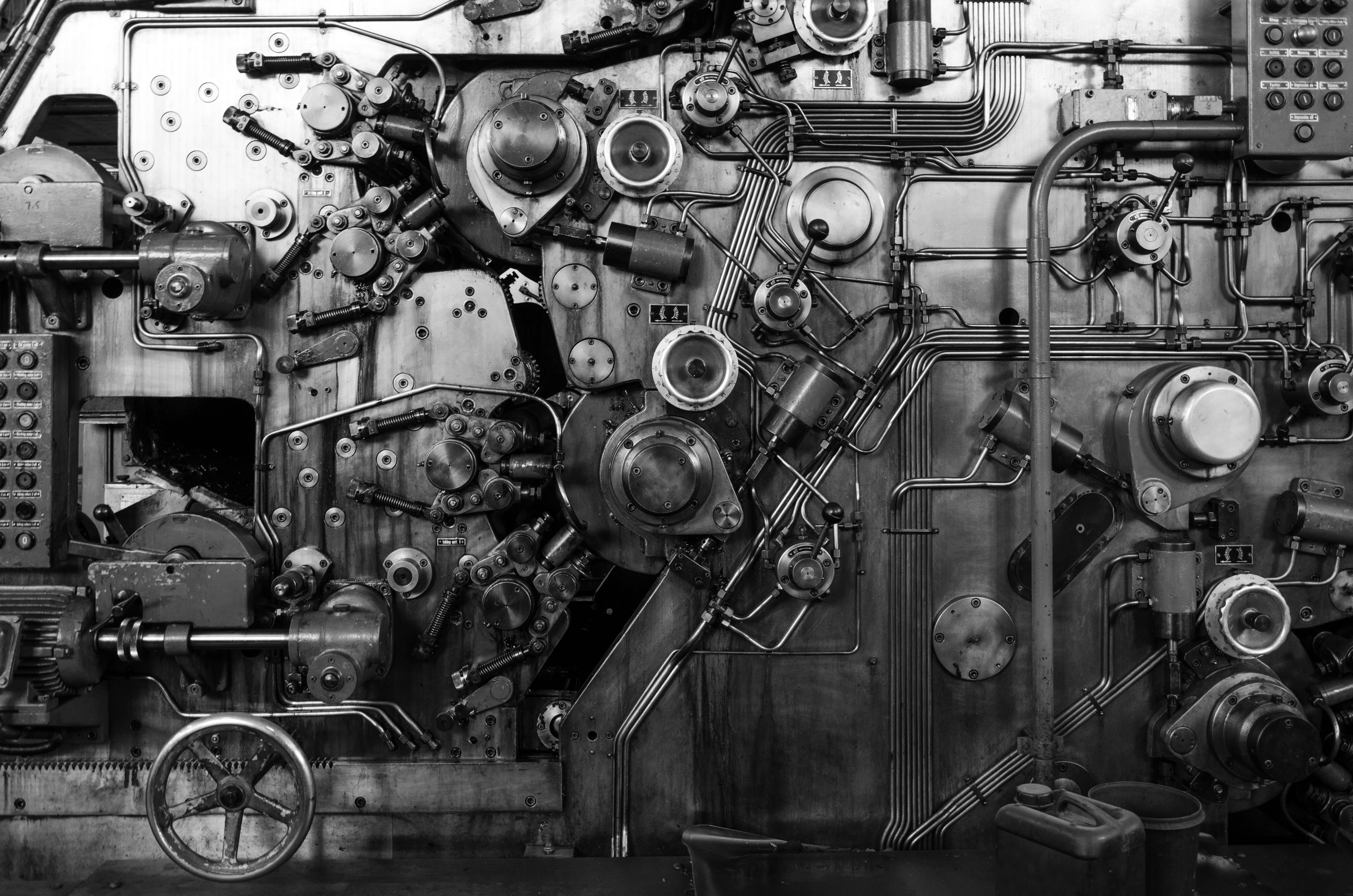
Implementing Advanced Garment Machinery
Recognizing the need for change, the company invested in state-of-the-art garment machinery. These machines offered automation, precision, and speed, revolutionizing the manufacturing process. The new equipment included automated cutting machines, computerized sewing machines, and high-speed textile printers.
Benefits of New Machinery
- Increased Efficiency: Automation reduced manual labor, allowing the company to produce more garments in less time.
- Improved Quality: Consistent and precise operations led to higher-quality products.
- Cost Savings: Reduced maintenance and labor costs contributed to overall savings.
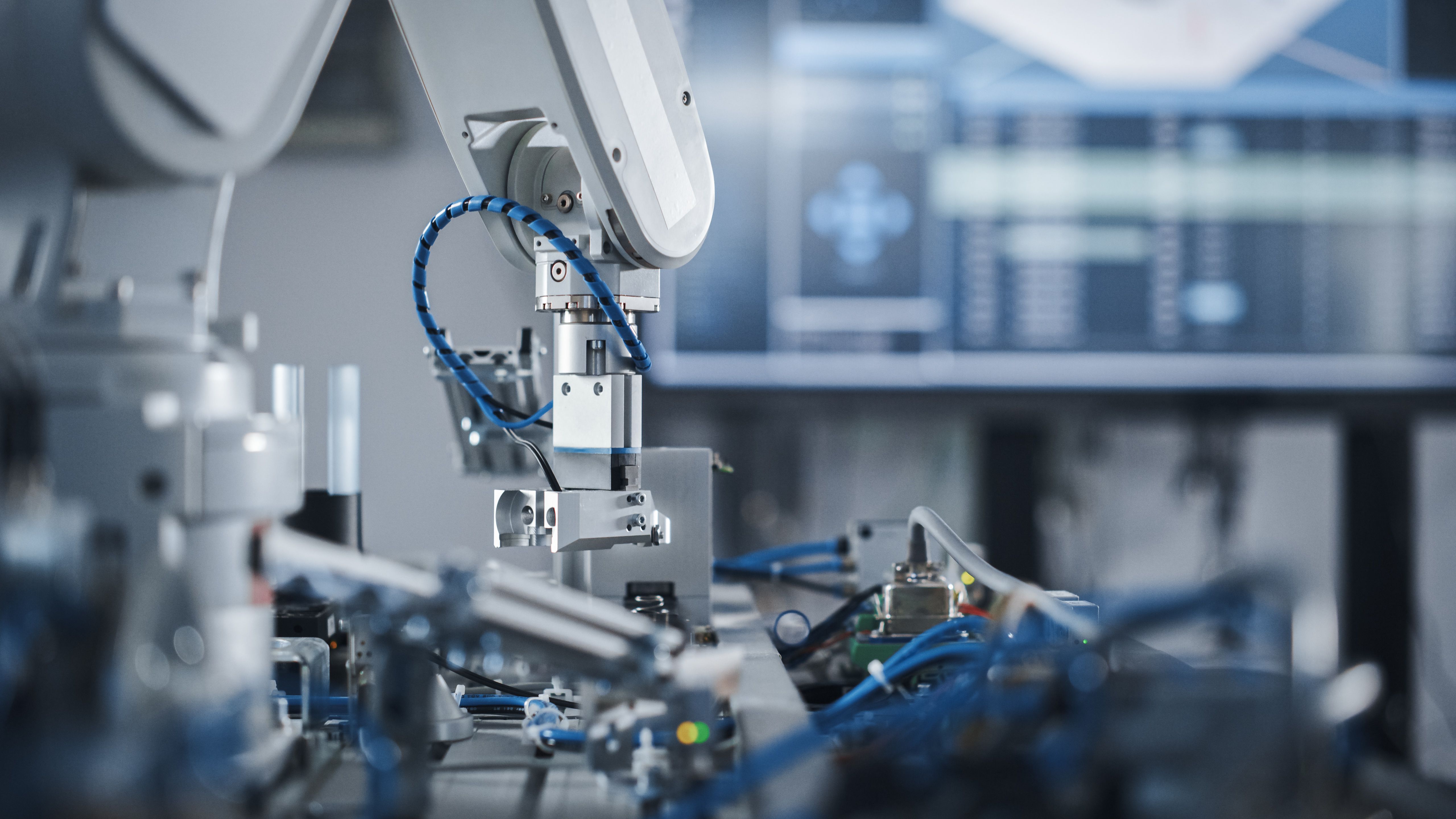
Results and Outcomes
The impact of the new machinery was immediate and profound. Production capacity increased by 40%, and the company was able to take on larger orders with confidence. The quality of the garments improved significantly, earning the business a reputation for excellence.
Employee Adaptation and Training
To ensure a smooth transition, employees underwent extensive training to operate the new machines effectively. This investment in human resources was crucial for maximizing the benefits of the technological upgrade.
Future Prospects
With the successful implementation of advanced machinery, the manufacturer is now exploring further innovations. Plans include expanding their product line and entering new markets, leveraging the enhanced capabilities of their production process.

Conclusion
This case study illustrates the transformative power of embracing modern technology in manufacturing. By upgrading to advanced garment machinery, the local manufacturer not only overcame existing challenges but also unlocked new opportunities for growth and success. As industries evolve, staying ahead with the latest advancements is essential for sustained competitiveness.